Google Analytics is a powerful tool that tracks and analyzes website traffic for informed marketing decisions.
Service URL: policies.google.com (opens in a new window)
_gac_
Contains information related to marketing campaigns of the user. These are shared with Google AdWords / Google Ads when the Google Ads and Google Analytics accounts are linked together.
90 days
__utma
ID used to identify users and sessions
2 years after last activity
__utmt
Used to monitor number of Google Analytics server requests
10 minutes
__utmb
Used to distinguish new sessions and visits. This cookie is set when the GA.js javascript library is loaded and there is no existing __utmb cookie. The cookie is updated every time data is sent to the Google Analytics server.
30 minutes after last activity
__utmc
Used only with old Urchin versions of Google Analytics and not with GA.js. Was used to distinguish between new sessions and visits at the end of a session.
End of session (browser)
__utmz
Contains information about the traffic source or campaign that directed user to the website. The cookie is set when the GA.js javascript is loaded and updated when data is sent to the Google Anaytics server
6 months after last activity
__utmv
Contains custom information set by the web developer via the _setCustomVar method in Google Analytics. This cookie is updated every time new data is sent to the Google Analytics server.
2 years after last activity
__utmx
Used to determine whether a user is included in an A / B or Multivariate test.
18 months
_ga
ID used to identify users
2 years
_gali
Used by Google Analytics to determine which links on a page are being clicked
30 seconds
_ga_
ID used to identify users
2 years
_gid
ID used to identify users for 24 hours after last activity
24 hours
_gat
Used to monitor number of Google Analytics server requests when using Google Tag Manager
1 minute


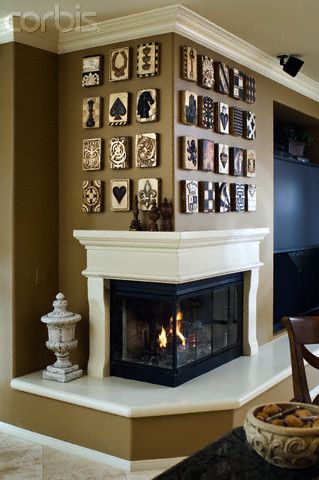
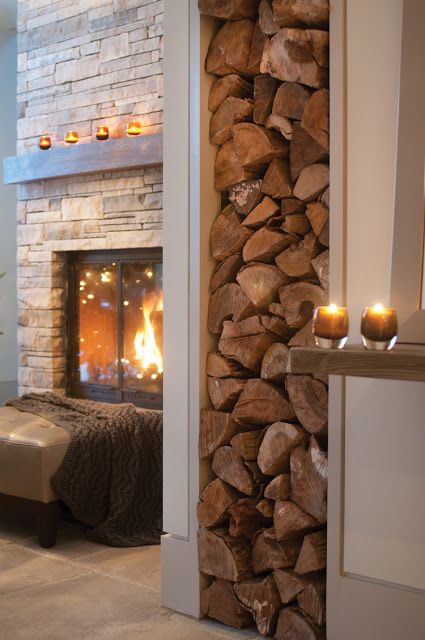
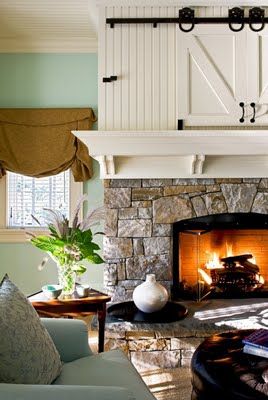
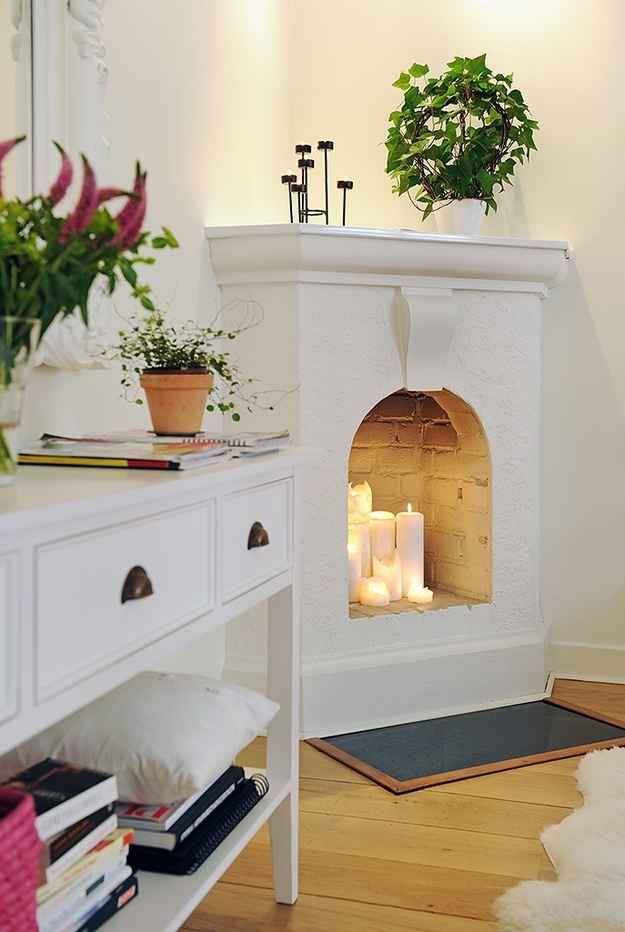
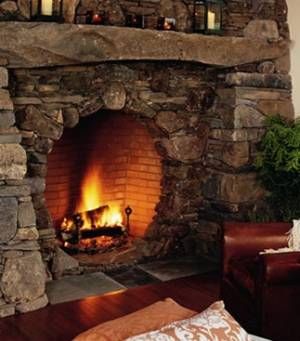
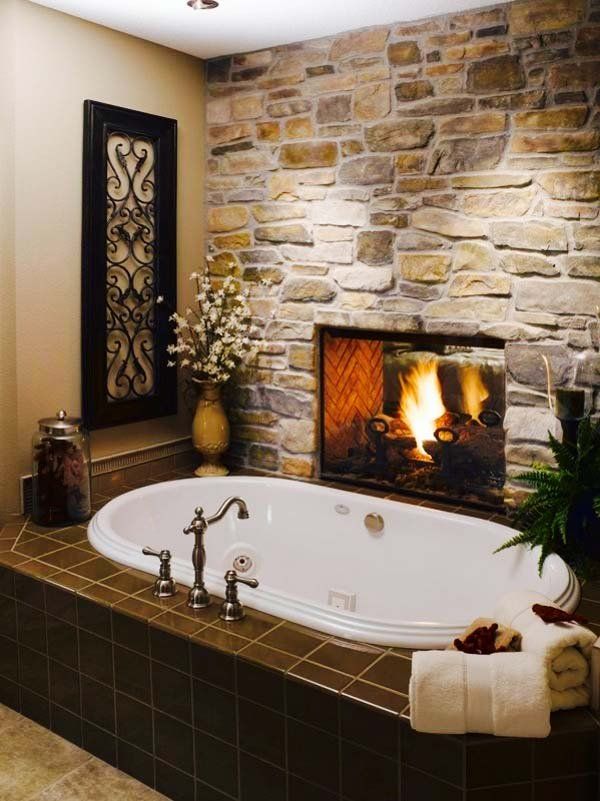
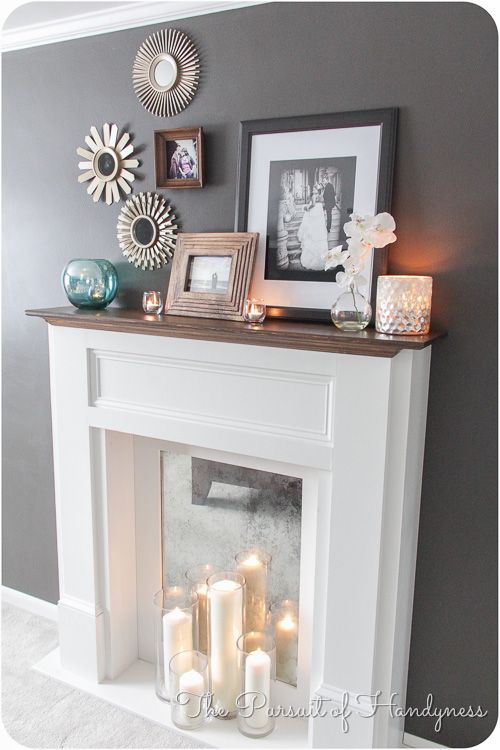
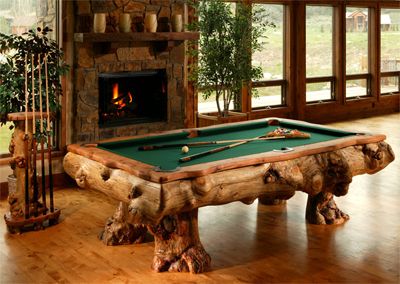




Right now I am working on redesigning my living room. For years, I have wanted a fireplace, so I would love to use one of these designs. During the winter, it would be a great way to make the living room more cozy and much warmer. I really like the look of the stone fireplaces, especially those that are right in the middle of the living room. I do like the look of the rounder one, but it is probably a bit too much like the Hobbit for my home. 🙂 But if I put in a regular rectangular fireplace and set it all up so that we had couches near the fireplace, I am sure that would be a perfect set up when it got really cold!
Ben–That may be the case. Or it may be a blend of old school and new school. American wood burning appliances are regulated by he EPA and have been for many years. Long story short, newer units have a catalytic converter in them. That’s why the smoke that comes out the chimney of a modern stove is white. I’m not saying the regulations are the best on the planet, but they’re there. Older stoves–essentially steel or iron boxes–were nowhere near as efficient. As for mass heaters like soapstone stoves or massive stone chimney systems, they have good and bad points. They’re great in deep, cold weather because they hold their heat long after the fire goes out. But they hold their heat long after the fire goes out. For the ‘shoulder seasons’ of with warmer days and cooler nights, they take a long time to heat up and then cool down. They may not be the best choice for a home based solely on heating and cooling needs.
From what I’ve read is that fireplaces that are typically built in the USA are very inefficient. Fireplaces/Masonry Heaters that are built in Europe are built with more flues, so to get a secondary burn and use a third of the wood. This also can be achieved by using Rocket Mass Heaters. So the properly built fireplace/masonry heater can make you warm, happy and wealthier.