These home design tips can help make meals easier for Alzheimer’s disease and less stressful for everyone.

Living with Alzheimer’s disease isn’t easy. Mealtime can be super stressful and confusing, as what we expect from our loved one who has Alzheimer’s disease is no longer reliable. But you can make meals easier for Alzheimer’s or dementia with a few easy design tips.
And there isn’t a one-size-fits-all solution to everyone with Alzheimer’s or dementia, so not every tip with fit perfectly but they are worth trying to see what works for your loved one.
I don’t know how to solve dementia, but I do know how to use design and remodeling to solve problems. Because design is essentially about problem solving, and there are easy ways to help our clients and friends who have a family member living with dementia.
For something that seems as simple as eating, it can be confusing when there are perception and sensory issues from the disease. Patterns, options, and color can be difficult to interpret for some with Alzheimer’s. There are a few things that we can do to make the experience of sharing a meal with an Alzheimer’s loved one better and way less stressful for everyone.
Here are a few design tips to make meals easier for Alzheimer’s disease
From a sturdy table to low-armed chairs that make it safer and more supportive to sit at a dining table to how to serve the meal to make it less confusing and overwhelming, there are simple strategies and design solutions that can create a more calm and pleasant environment for meals. These design tips make meals easier for Alzheimer’s.
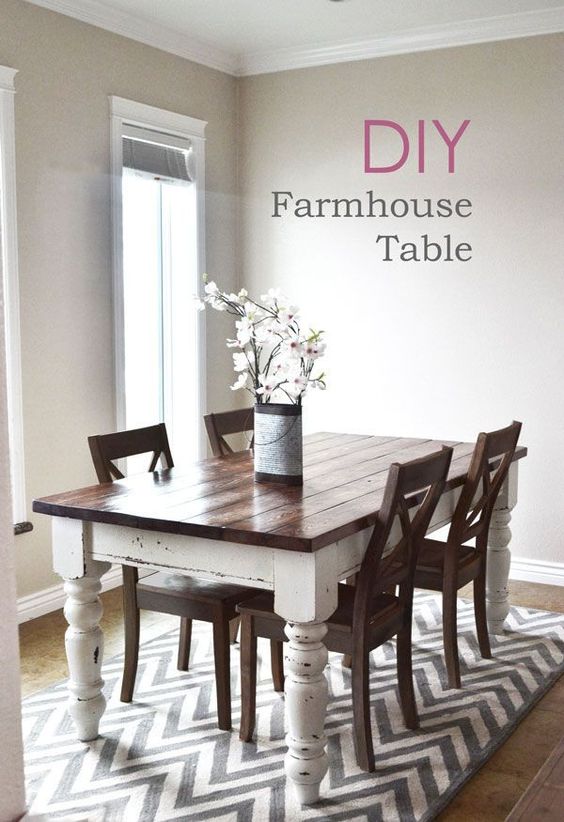
Sturdy table.
Make sure your table can support the weight of your loved one, as it may be used in sitting down or standing up
Strong, low-armed chairs.
The chairs needs to be sturdy, but also easy to get in and out of. For chairs with arms, it can be tough to know how to sit in between the arms, and then exit them when there’s a table involved.
Solid, not patterned.
Patterned fabrics on chairs and tablecloths can be confusing. For some with Alzheimer’s, the pattern of flowers may seem real, and make it difficult to convince your loved one to sit or dine on a bed of flower
Clear the area.
Beyond just removing items from the walking path to the dining chair, remove more than what is needed. The Alzheimer’s brain sometimes thinks that items are closer than they really are.
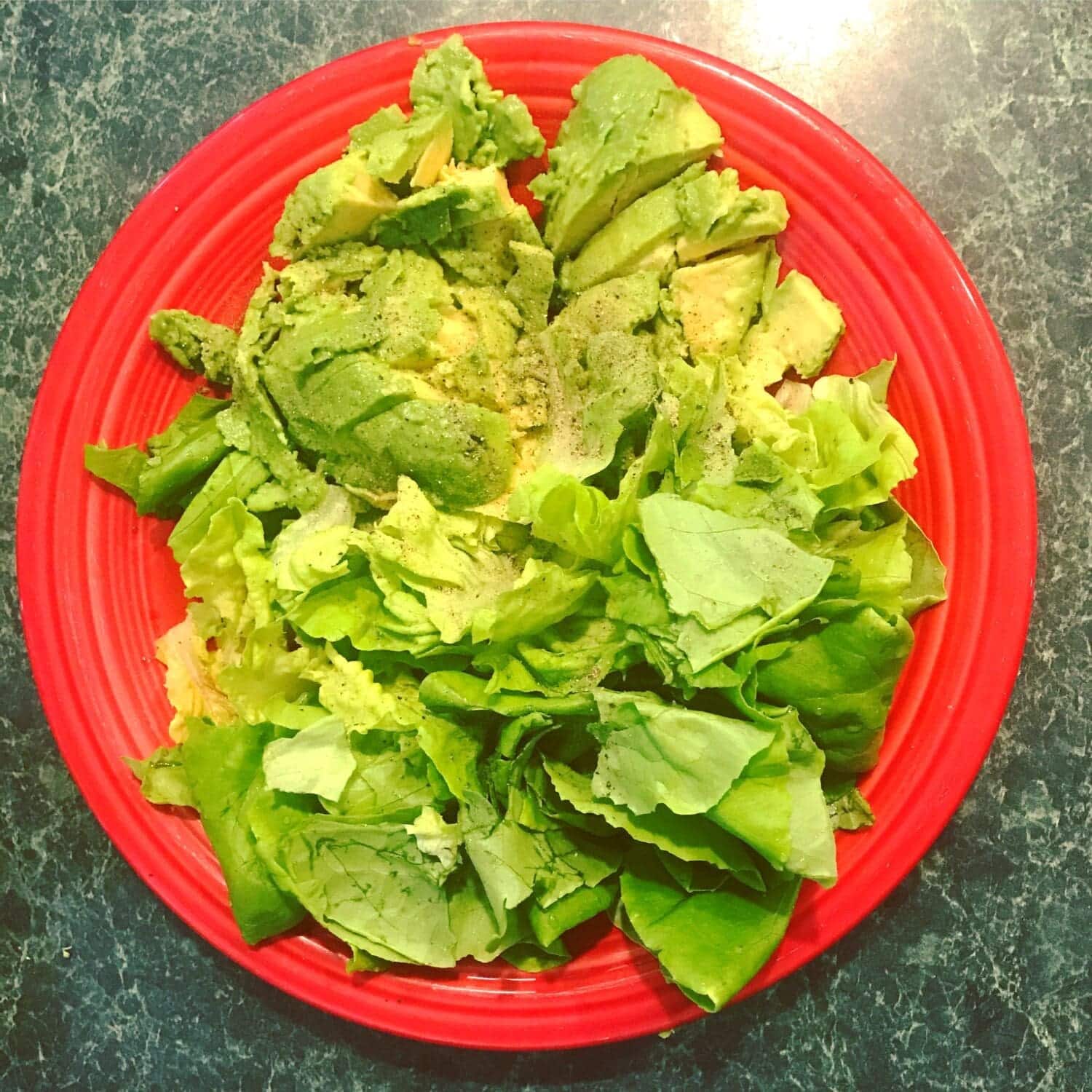
Serve one-at-a-time.
It may be time consuming, but it’s helpful to serve only one item of each meal at a time. This also can help with the decision dilemma of remembering if a spoon or a fork should be used to eat soup.
Soothing scents.
While the sense of smell starts to decline for someone with Alzheimer’s, odors that are positive and familiar from their past are the best kind. Plug-ins and battery-operated scented candles can be perfect.
Natural light.
Light becomes more important in the life of someone with Alzheimer’s. Not only are there issues with Sundowners, but there are also issues as we all age with the yellow tinting of our sight, and the narrowing of our vision. The more there is natural daylight, and the more even the light can be at night, the easier and less stressed it will be for an Alzheimer’s household.