Windows are more than just a way to visually connect the inside of your home to the outside. They are quietly doing a lot of work like keeping the conditioned air inside while keeping the UV rays outside. And window technology has come a long way from their origin as a ‘wind eye’ hole for smoke to escape to greased paper that worked as a translucent covering for window openings when glass was expensive. Today’s windows deliver more benefits but there’s also more to know. Here are just 6 window secrets that could save you thousands.

Glass condensation isn’t a failure.
If you are seeing condensation on the inside of your window glass, don’t worry that your windows are failing. Condensation happens when moist air interacts with a colder glass surface. So if there are more humans in a home than usual, like a party, a big meal like Thanksgiving being cooked, or if you are exercising as a family like crazy near the windows, then that’s likely what’s causing the condensation.
Lock up energy loss.
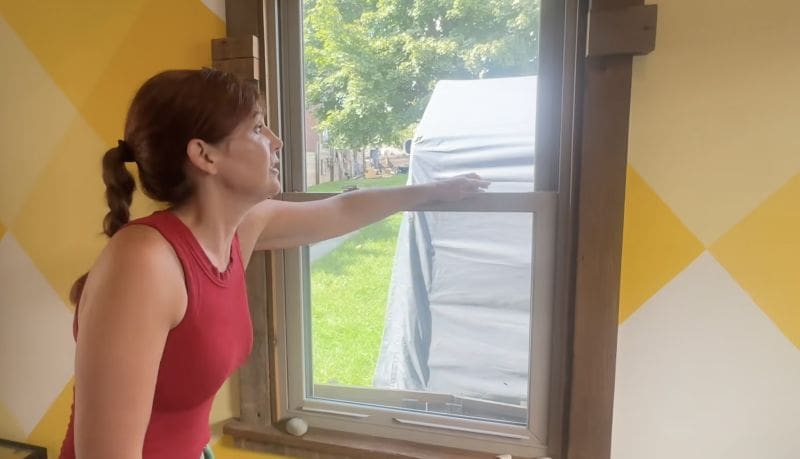
The average home loses 25 to 30 percent of heating/cooling energy through windows. It’s not enough to just close your windows. Today’s windows need to be locked in order to create the energy efficient seal. So be sure to always lock your windows.
Let the top sash ventilate.
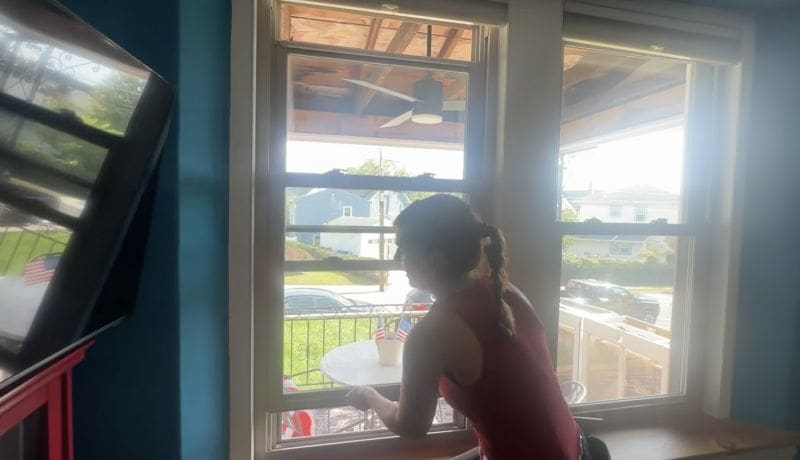
Many homes have double-hung windows, but we usually never see the top window sash open. It’s a missed opportunity for natural ventilation that used to be standard practice before AC.
Think back on old house you’ve seen. Have you seen old homes that have interior transom windows above doors? Those windows opened so air could escape a room without compromising privacy.
Just opening the top sash during the shoulder seasons of spring and fall can release hot air from your home while decreasing reliance on HVAC and increasing your comfort.
So go head and lower the top sash of a double hung for more airflow and natural cooling.
Low-E is a high energy feature.
Long ago, the debate between single-pane vs. double-pane was the big thing in windows, but that’s child’s play compared to today’s triple pane, insulated glass, low-E glass, sun glass, and more.
For most new windows, low-E is what’s becoming standard. It’s low-emissivity glass which includes a microscopically thin metallic coating that’s invisible to the eye. It beefs up your window so that it reduces energy transfer, blocks UV rays, and it can reflect heat like a thermos.
Egress rules save lives.
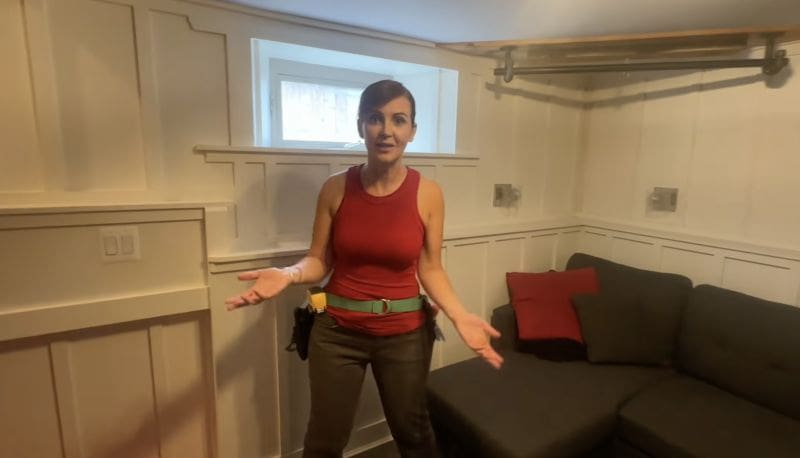
If you want to add a bedroom, especially to a basement or attic, you’ll need to know about window egress codes. A bedroom needs to have a window that’s big enough for a firefighter in full gear to climb through. That means that a window must be able to open at least 20 inches wide and 24 inches tall.
Irked-Out Bonus: Shut down ill-fitting shutters.
Shutters used to be operable both inside and outside. My big pet peeve is decorative shutters that clearly could never cover the window opening. To me, it’s like an adult wearing a toddler’s coat. It will never zip up.
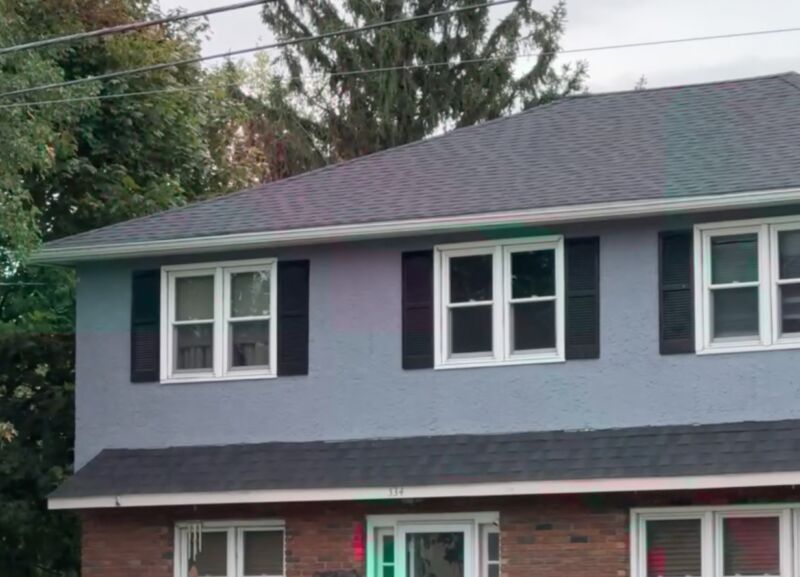


Decorative shutters that are too small to ever close over the window are one of my house pet peeves.
Did you know?
Windows used to be wind holes in the roof of structures, created to let smoke from fires out and allow some light to come inside. Is there anything else you’d like to know about windows? Just ask us.