When you buy a hammer, look for the awesome in the details, not in the brute force.
Man, I love hammers. Well, I love some hammers. Other hammers aren’t worth their weight in bent nails. Here’s how to choose a hammer so you can excel at your next DIY project.
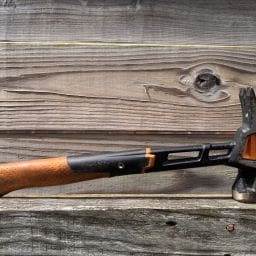
In this how-to side-by-side video I used the Milwaukee Tool all-steel framing hammer and the Stiletto Tools (same parent company) Titanium and hickory 18-inch hammer.
When I choose a hammer, the kind of hammer I’m trying to find is one that’ll swing at my hip and handle the jobs I plan to use it on. I hope this helps you next time you’re standing that the mile-o-hammers tool wall at The Home Depot. Beyond just the intended use, there’s a lot of other things to consider when choosing a hammer, which includes price, personal preference, and availability.
Here’s what I look for when I choose a hammer.
For demo, smash-and-pound retro-fitting and endless nail pounding, I’m inclined to buy an all-steel model like the red Milwaukee hammer shown in the photo. The only way to break it is to lose it.

Unbuilding
For the usual tasks in home improvement and remodeling—ironically, hammers are used more for un-building than building—I look for something light, agile, and really easy to use like the hickory handle and titanium head combo I use for most of my work.
The Claw
On both of the hammers I mentioned, the main feature for me is the claw, not the head. It’s the part I use most. The claw’s curve is the most important part of the whole hammer purchase process and thins the field fast. The curve—called “fetch” by tool nerds like me—should be very, very shallow. Almost like a chisel but it is not quite as flat. You still need some curve in there.
Pierce and Pry
Reason for this is that I use the hammer claw for what I call “pierce and pry” all the time—removing trim, getting in behind a piece of drywall, as a lever to hold up a door I’m hanging. Anything too curved doesn’t fit and anything too flat tends to slip, so there’s a sweet spot.
Hatchet Style
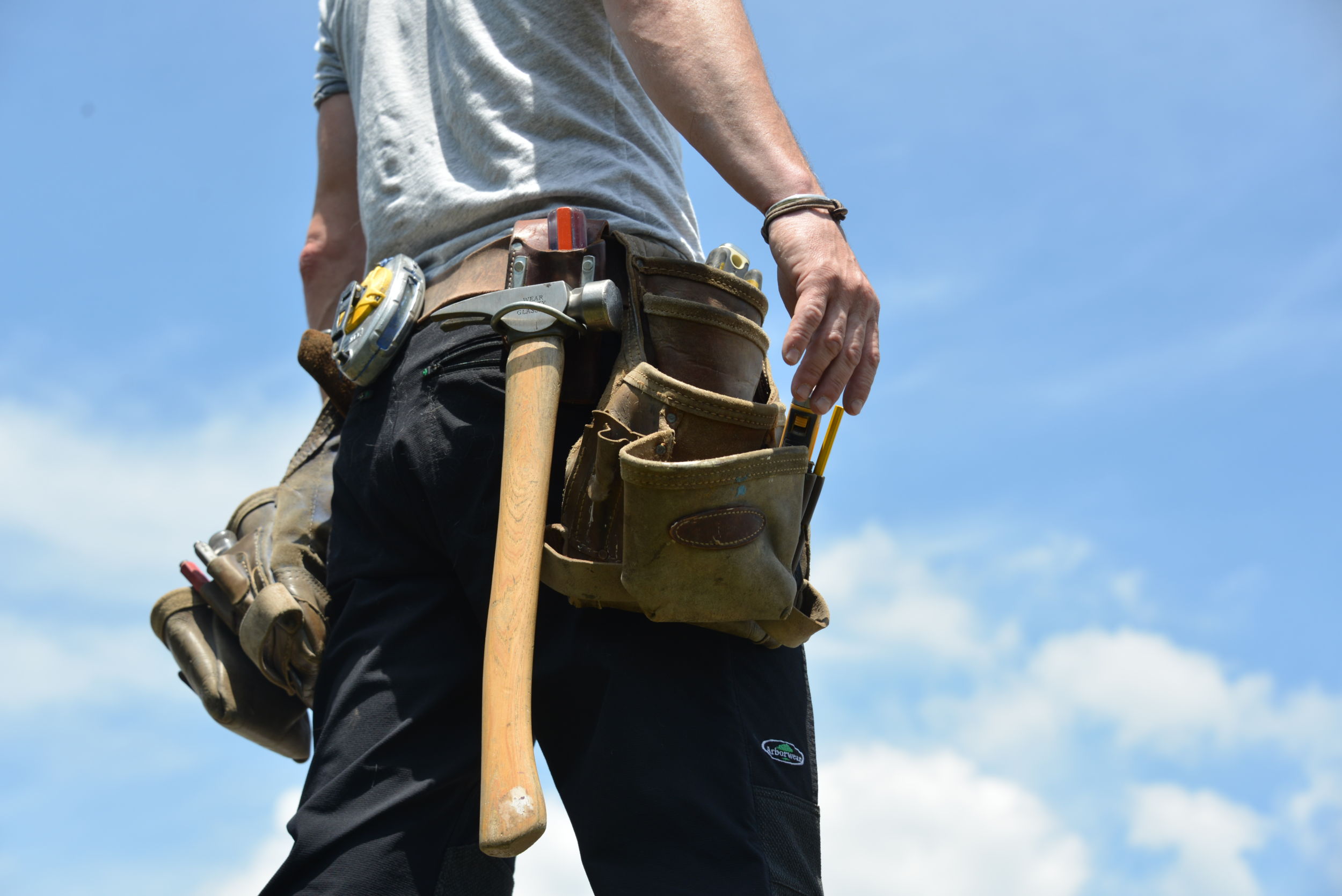
I also like a hatchet style curve in the handle’s foot. A throw-back to the hammers California framers used in the 1960s and 1970s—literally, rigging axes—the curve is there so framers can reach better around a wall plate when it’s laying on the deck to “lick” the nails home. Today, I use it to hook the hammer loop I wear on my toolbelt.
How do you choose a hammer? What do you look for when you buy a hammer?
Note: We partnered with The Home Depot to produce this blog. The information, how-to and tool advice are 100% MyFixitUpLife. Now let’s hit it.